Y2 Curriculum Information
Term: Summer Term 2026
Please read the curriculum information carefully below:
Home Learning:
Home learning is set on Google Classroom every Wednesday, this needs to uploaded and returned for the following Monday. Children will also practise their rapid recall target weekly and spellings. Homework activities will alternate between English and Maths. Please work with your child to complete the activities, but please don’t do it for them! In Year 2, we always remind the children to try their best even if they might make mistakes.
When we set writing activities, it would be best to get your child to write down their answers on a piece of paper and take a photo of it. This way we can make their spellings, handwriting and punctuation too.
Spellings
Spellings will be set and available to view every Friday on Google Classroom. The children will then be tested in class every Friday morning so that they have a week to practice. It will be a mix of high frequency words and words linked to a phonics sound. Your child will receive a login and password to access Spelling Shed, a programme we are using to teach spellings. There will be games for them to access at home. Please encourage this at least once a week.
Maths
At OLM we use the Maths No Problem scheme. This scheme focuses on mastery of different mathematical concepts. This term we will be focusing on:
Money
This is the final chapter on money in Year 2. Pupils will be reviewing concepts on writing and counting money in addition to extending their knowledge of how to represent money using £ and p. They will be reinforcing previous counting methods using fives and tens to count quickly and efficiently. They will be required to show equal amounts of money and how to exchange money. By the end of the unit, they will be using bar modelling to calculate the total amount of money spent and then working out how much change is required from amounts below £100.
2D Shapes
This chapter focuses on 2D shapes and their different properties. It also explores how to draw shapes, make patterns with shapes and turn shapes using familiar language. The chapter begins by carefully moving pupils from identifying sides to identifying vertices before learning about lines of symmetry. Then they make figures using blocks, sort basic shapes using different criteria before drawing shapes using square grids and dot grids. Finally, pupils make and describe patterns in addition to moving and turning shapes.
3D Shapes
This chapter follows on from the previous chapter on 2D shapes. In a similar manner, pupils will be recognising, describing and grouping 3D shapes, forming structures with them and making patterns using 3D shapes.
Fractions
This is a large unit on fractions. It provides a review of previously learnt concepts and extends pupils to find fractions of whole numbers/quantities by the end of the unit. The unit begins by having pupils make equal parts, focusing on making halves, quarters and thirds. Then pupils learn to name fractions of the same denominations. After this, pupils learn about equal fractions, primarily looking at halves and quarters. They then move on to comparing and ordering fractions and counting wholes and parts. Pupils learn to count in halves, quarters and thirds, finishing the unit by finding parts of a set and part of a quantity.
Time
This chapter explores concepts of time. It begins with recognising time to 5 minutes and progresses in a way that pupils will be able to tell time, sequence it and manipulate an analogue clock. Pupils will then be learning how to find the duration of time, the end of a length of time, the beginning of a length of time and finally, compare lengths of time.
Volume
This final chapter in Year 2 is on volume. It involves pupils comparing volume, measuring in litres and millilitres, and solving word problems associated with volume
Times Tables
We will continue to practice the 2, 5 and 10 times tables until the children are completely confident in these. If you feel they are ready to move on, then please start practising the 3 and 4 times tables too. Please do practise these regularly. We have introduced the children to Times Table Rockstars and already sent home log ins. This is a fun way to motivate them to learn their tables. We will assign time during our Computing lessons to also support them.
English
We will be focussing the books called
The Magic Finger
Phonics
In Year 2, we will continue the teaching of phonics, with a focus on consonant graphemes. We will also begin looking at the spellings of homophones, words that sound the same but have a different meaning and are spelt differently e.g. their and there, pair and pear
Reading
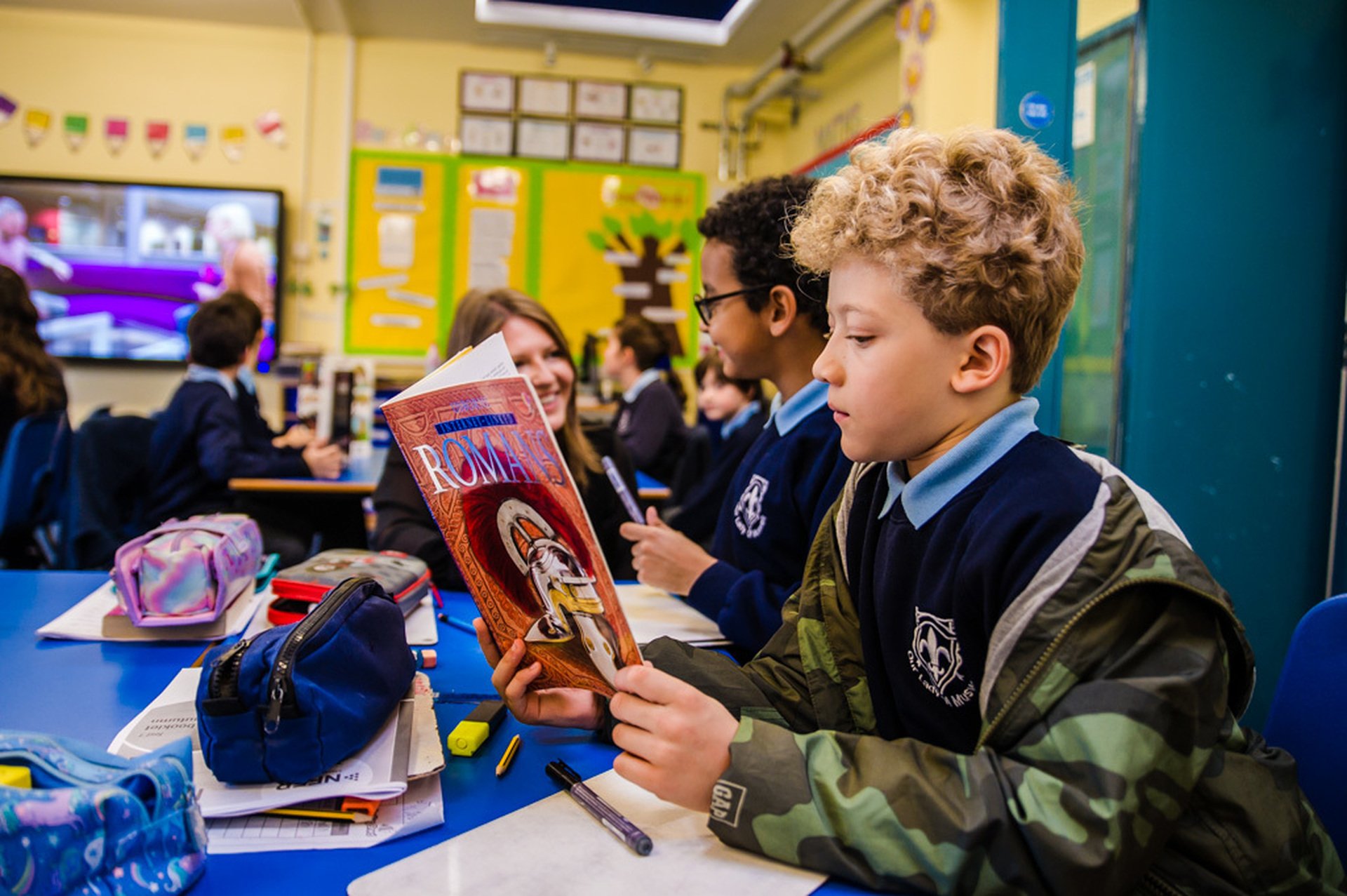
The children are read to daily by an adult and also have twice weekly sessions on a one to one basis. This is to ensure that children are exposed to a rich vocabulary and a chance to explore their understanding of a text. Please could parents support their child with reading by reading aloud to them but also ensuring children are reading to them independently for approximately 10 mins a day. It is important that children now work on their comprehension skills (understanding) so please do spend time discussing what you are reading and questioning your child about a text.
Handwriting- Write lower case letters correct size relative to one another.
Show evidence of diagonal & horizontal strokes to join.
RE
|
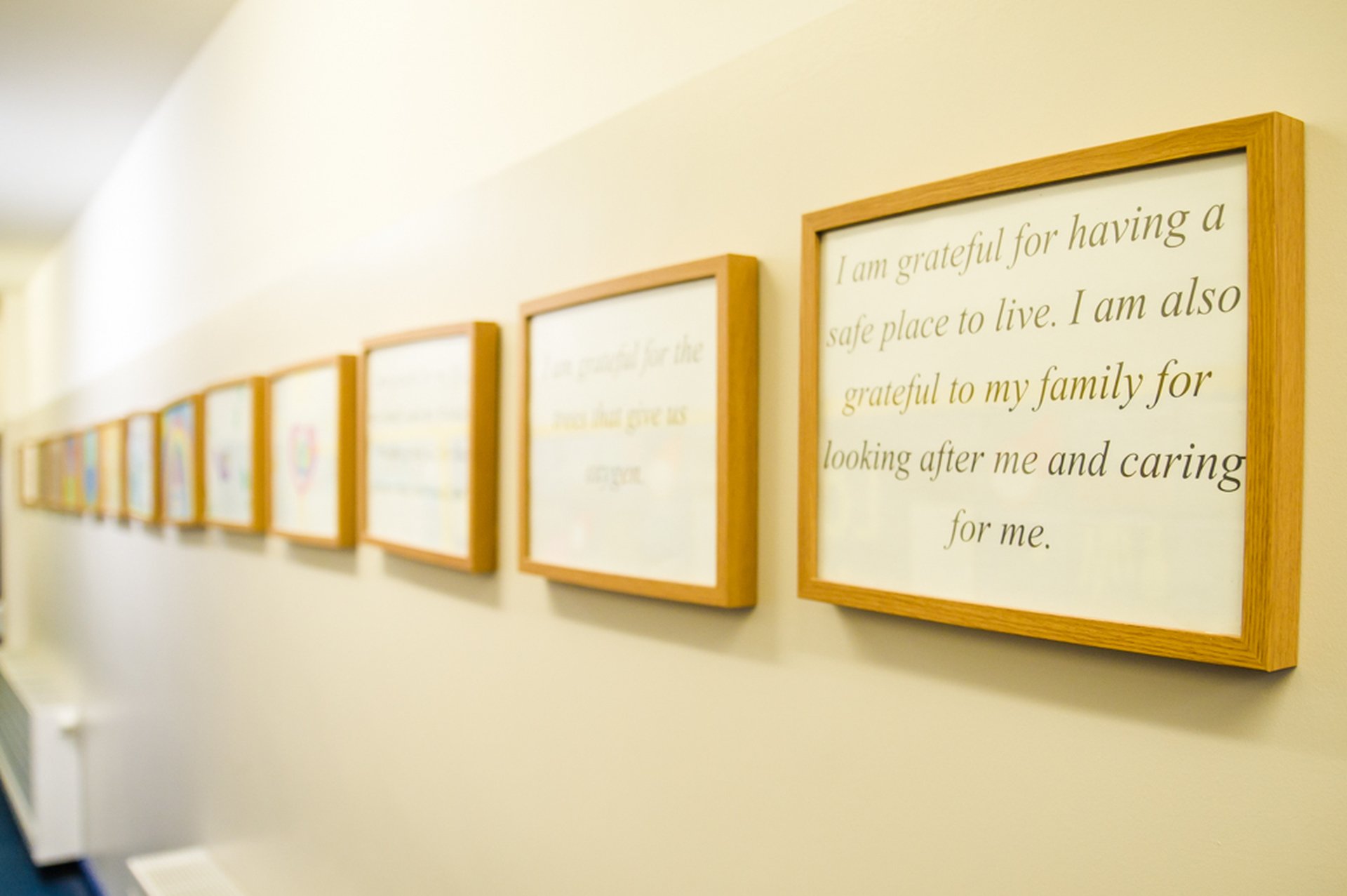
Catholic Social Teaching Throughout the year, OLM focuses on different elements of Catholic Social Teaching (CST). Each half term we look at a different theme and discuss what each one means: Autumn 1 - Care of Creation Autumn 2 - Preferential Option for the Poor Spring 1 - Solidarity and Peace Spring 2 - Community and Participation Summer 1 - Dignity of Workers Summer 2 - Human Dignity
|
Geography Summer 1
|
What is it like to live by the coast?
History Summer 2 Great Fire of London |
Science
|
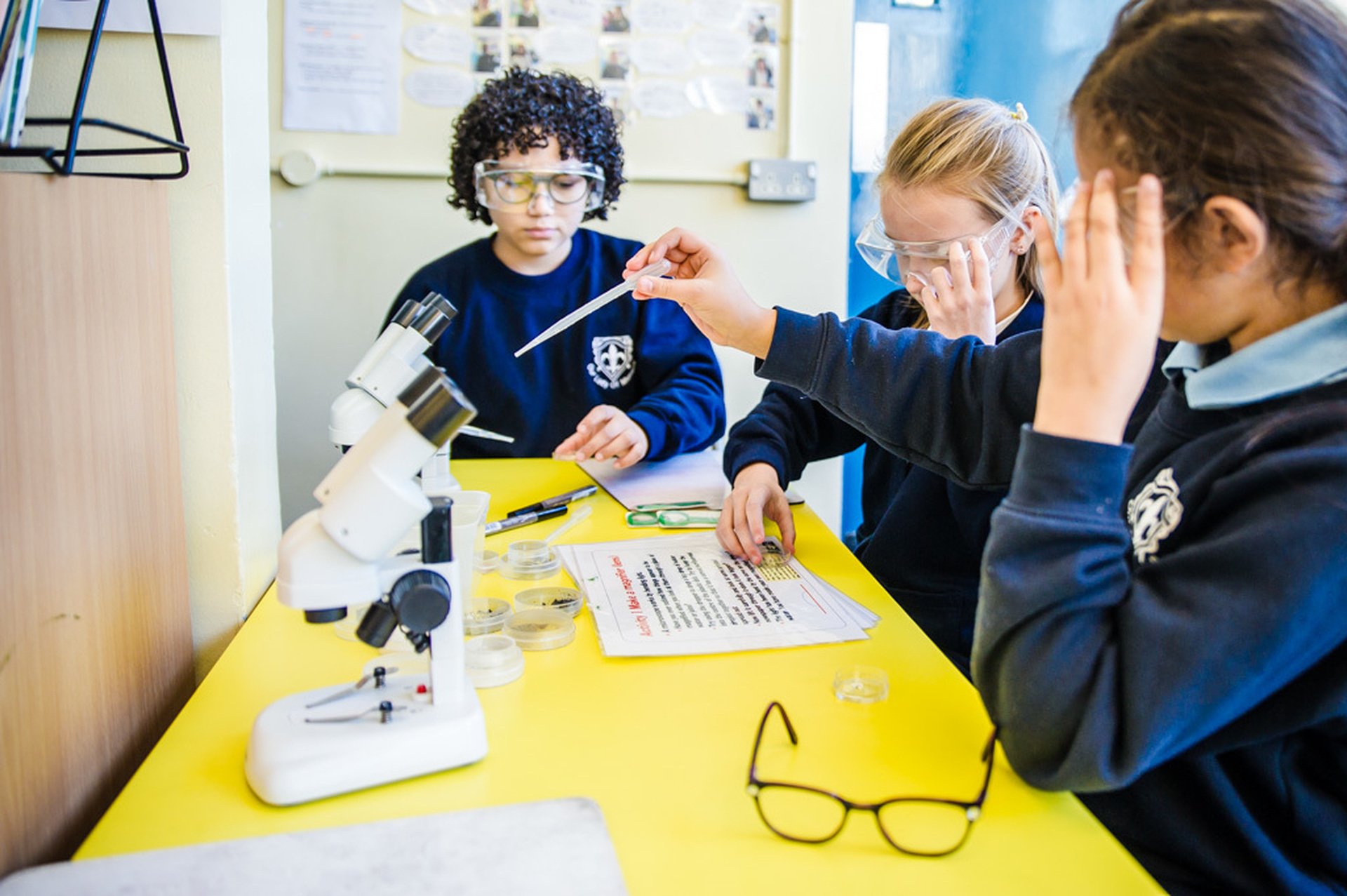
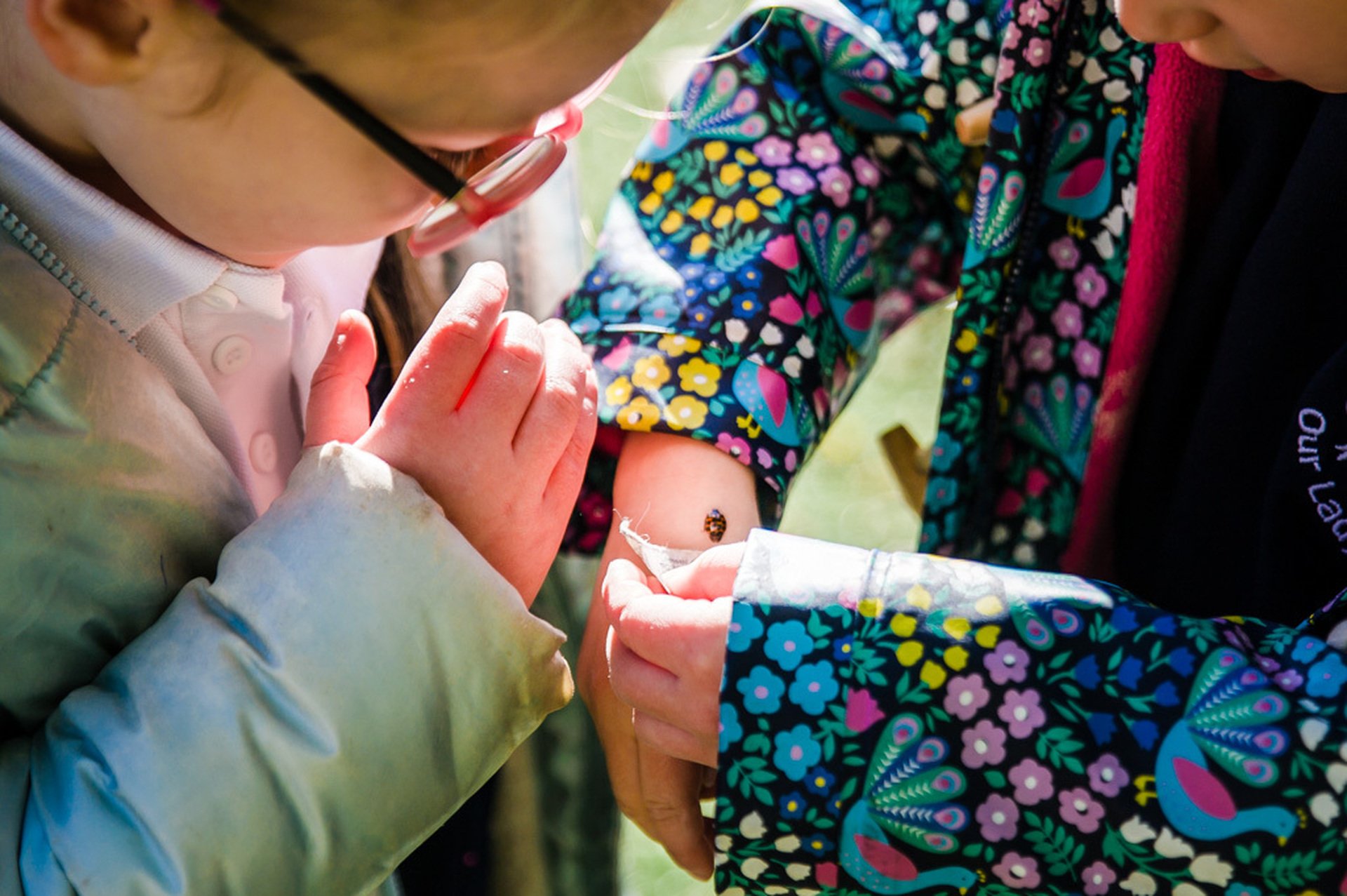
Plants: Plant Growth Observe and describe how seeds and bulbs grow into mature plants Making Connections |
PE:
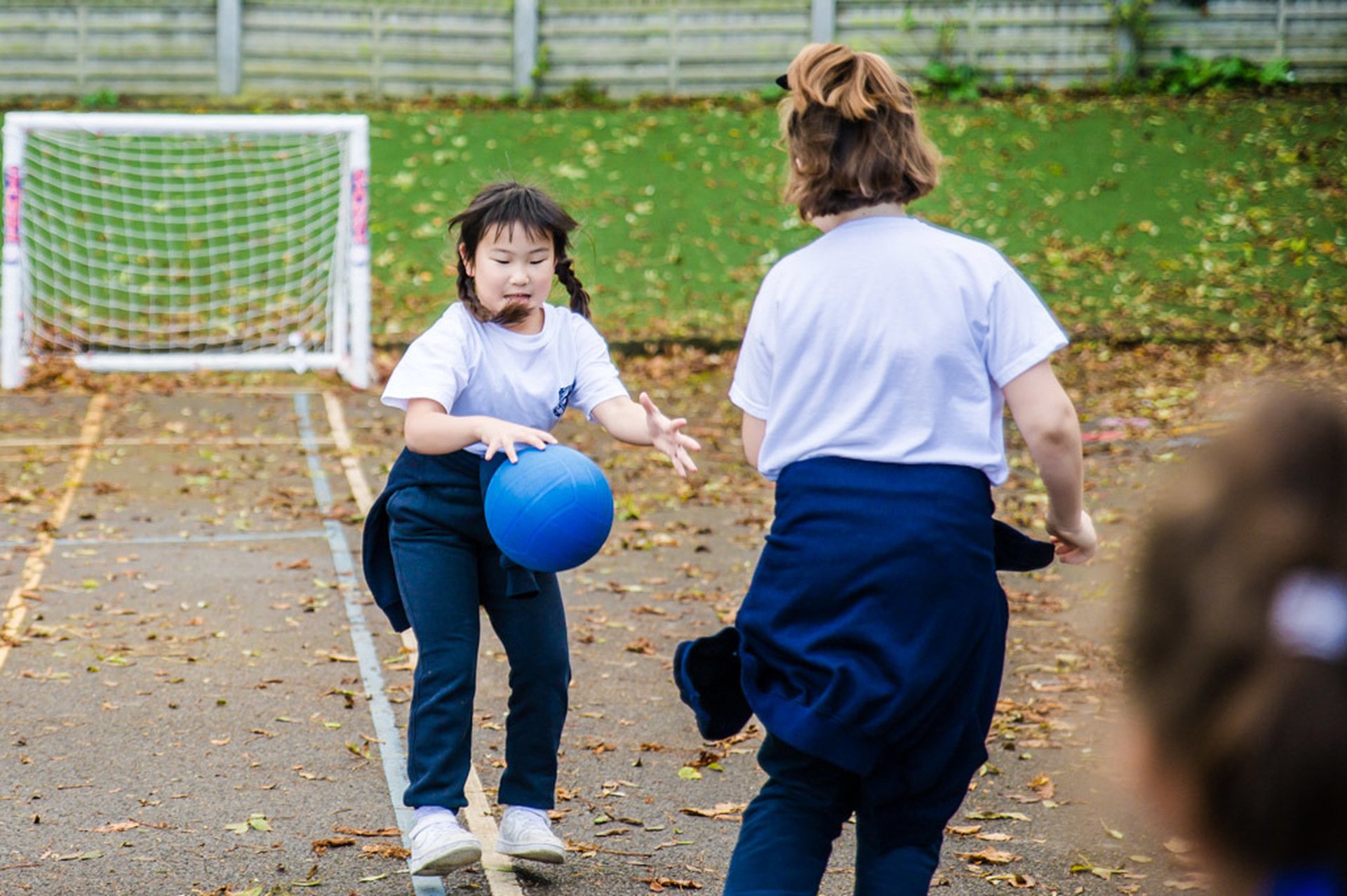
Class teachers will be teaching Team Building
Coach Tim will be teaching athletics
Music
Mrs Edwards will be teaching children music every Tuesday.
Computing
|
|
|
Art Summer 1
Sculpture and 3D Clay Houses
|
DT Summer 2 Cooking and Nutrition |
How you can support your child’s learning:
https://schoolreadinglist.co.uk/reading-lists-for-ks1-school-pupils/suggested-reading-list-year-2-pupils-ks1-age-6-7/
https://www.topmarks.co.uk/maths-games/hit-the-button
https://www.phonicsplay.co.uk/
https://www.bbc.co.uk/bitesize
Hit the Button - Quick fire maths practise for 6-11 year olds (topmarks.co.uk)
Information for parents- National Curriculum Tests
https://www.gov.uk/government/publications/2017-national-curriculum-tests-for-key-stages-1-and-2-information-for-parents
Phonics Screening:
This year, some children will be tested on their phonic sounds. Please find attached an example of a phonics screening test. You can find more resources uploaded to Google Classroom:
2022 Phonics screening check: pupils' materials - standard (publishing.service.gov.uk)